EBRD Green Cities marks 10 years of urban climate action
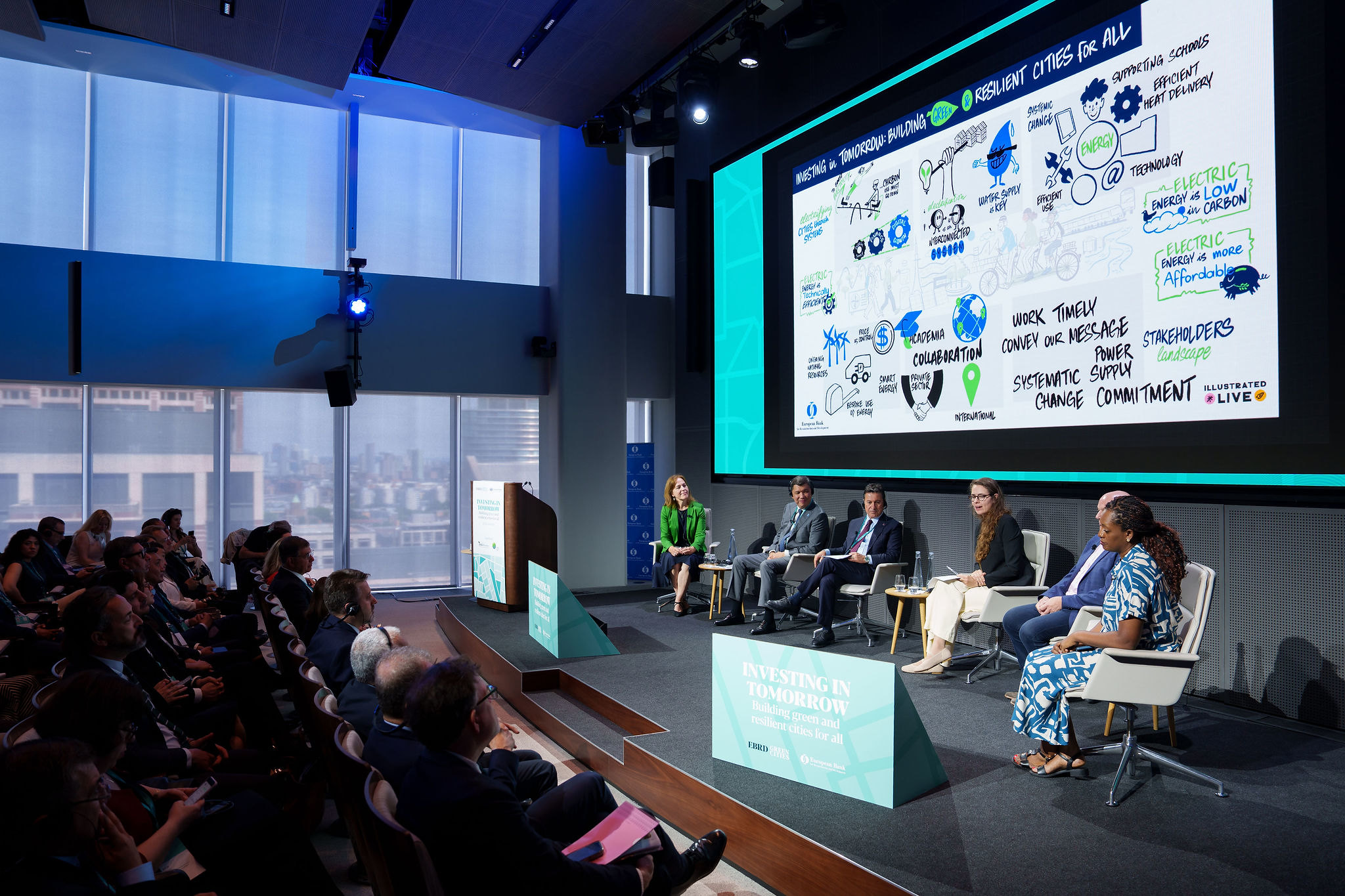
The EBRD Green Cities Mayors’ Meeting 2026 brought together city delegations, partners, donors and experts in London to mark a decade of impact and discuss the next phase of sustainable urban development.
The European Bank for Reconstruction and Development (EBRD) marked the tenth anniversary of its flagship urban sustainability programme - Green Cities. A high-level meeting was held at the Bank’s headquarters and other locations in London on 22 and 23 June 2026.
The event brought together mayors, deputies, city delegations, partner organisations, private-sector representatives and urban experts to reflect on a decade of progress and discuss how cities can accelerate delivery of practical solutions and systemic impact.
Over the past ten years, EBRD Green Cities has grown into a network of 60 cities across three continents, helping cities improve air quality, reduce emissions, modernise infrastructure and raise living standards for more than 80 million people.
The meeting opened with a keynote address by EBRD President Odile Renaud-Basso, who highlighted the importance of city leadership in responding to the challenges across the Bank’s countries of operation.
Ms Renaud-Basso also set the stage for discussions that followed: the focus was on moving from planning to delivery at scale, with sessions including electrification, cleaner energy, heat resilience, green buildings, water and wastewater management, as well as the role of artificial intelligence and digital technologies.
One of the key highlights was the ‘Decade of Impact’ plenary, moderated by Lucy Hockings, Chief Presenter at BBC News. The session featured city leaders from across the EBRD Green Cities network, including Andriy Sadovyi, Mayor of Lviv, Ukraine; Fatma Şahin, Mayor of Gaziantep Metropolitan Municipality, Türkiye; Nurlan Yergaliyevich Abdirakhim, Deputy Akim of Almaty City, Kazakhstan; and Luc Marie Constant Gnacadja, Mayor of Cotonou, Benin. Their interventions underlined the diversity of challenges facing cities, ranging from wartime resilience and recovery to air quality, water management and climate adaptation – and the importance of tailored, city-led responses.
The plenary also brought together voices closely associated with the evolution and future of EBRD Green Cities. Among them were Josué Tanaka, Principal Finance Advisor to the C40 Cities Climate Leadership Group and one of the main architects of the programme, who reflected on its origins and continued relevance; and Heike Harmgart, EBRD Managing Director for Sub-Saharan Africa, who spoke about the programme’s relevance as the Bank expands its work in new countries of operation.
Further sessions focused on practical solutions advanced by cities and partners. For example, an electrification panel featured Valerie Labi, Co-Founder and CEO of Wahu Mobility, alongside Aibek Dzhunushaliev, Mayor of Bishkek City, Kyrgyz Republic and Ahmet Aras, Mayor of Muğla Metropolitan Municipality, Türkiye, exploring how the shift to electric transport, heating and buildings can deliver cleaner air, lower emissions and better services for citizens. Parallel high-level discussions looked at heat resilience, water systems and financing low-carbon and resilient buildings.
The programme also featured institutional fireside chats on some of the most pressing issues in urban climate action. Stephen Hammer, Senior Fellow in Climate Finance at the University of Pennsylvania, discussed approaches to funding shared flood resilience, drawing on lessons from New York.
Anne Hidalgo, Global Ambassador with the Global Covenant of Mayors for Climate & Energy and former Mayor of Paris, reflected on the leadership required to deliver major urban transformation.
Charles Lin, Deputy Mayor of Kaohsiung City discussed next-generation urban solutions, focussing on artificial intelligence and digital transformation. He shared insights on how digital tools can strengthen municipal services, improve coordination across government agencies and support more effective disaster prevention and response.
Together, the sessions showed how cities can move from ambition to implementation, delivering solutions that improve quality of life while strengthening climate resilience.
Green Cities Mayors’ Meeting 2026 was supported by the TaiwanBusiness-EBRD Technical Cooperation Fund and the Green Climate Fund.
The EBRD thanks the mayors, deputy mayors, city delegations, partners, experts, donors and others who contributed to the meeting and to the continued success of EBRD Green Cities.